A Safe Space
Feb 18, 2026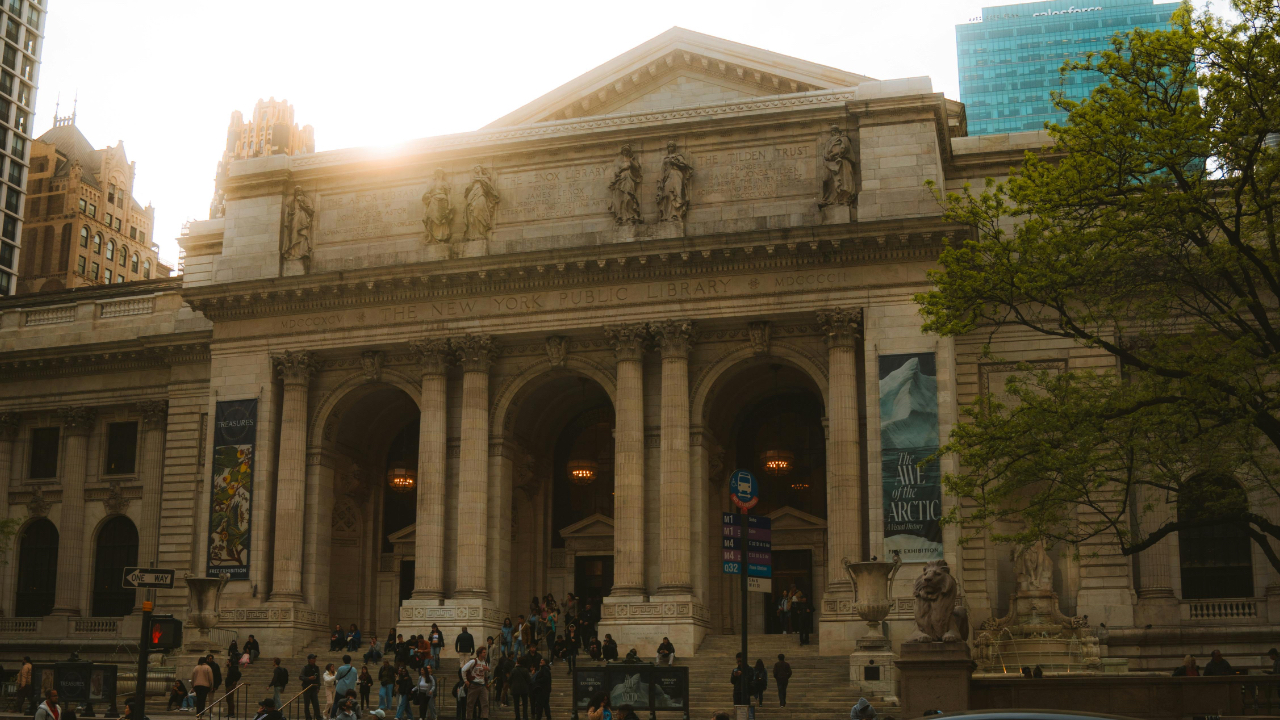
His wife had recently died from cancer. They had no children and no close family nearby. In his grief, he felt terribly alone.
“I just need someone who can be with me in my sadness, as I work my way through this.”
“We can do that”, we said to one another. So, we drove to New York City, where they had lived.
We shared the day with him as we walked around an eight-block area near Times Square where his wife had worked. He needed us to see the place where she bought coffee every morning, the beautiful New York Public Library building where her office was, the restaurants where he’d often meet her for lunch. He wanted us to be with him as he remembered her and bore witness to her daily life. He wanted us to know what their life together meant to him. So, as we had lunch, he showed us many photos of her and the two of them together that he’d been carrying around in a bag as we walked that day.
We went there to be with him because it is a value of ours to meet people where they are - physically, emotionally, spiritually.
A few weeks after that sacred day, we got an invitation from him to come back to the city. He asked if we would,
“Stand on either side of me during the committal ceremony when my wife’s ashes are entombed”.
He didn’t want to be alone on that day. He needed a presence of care. So back to the city we went, and stood on either side of him just as he asked us to. After the ceremony, he took us to see his therapist who was also accompanying him through his grief. He wanted the three people who were of deepest support to him to meet. Both days together with him were sacred, deeply special. Days such as those remind us of the power and importance of the work we do and why we do it. Being present with people, showing up, makes such a difference when it happens.
It’s a significant value of ours to go where people are. To meet them where they are most comfortable and feel most safe. To meet them in the ways in which they are most likely to be open and truthful and vulnerable with us. For it is openness, truthfulness, and vulnerability that ultimately lead to healing.
She reached out via email moments after hearing us on a radio interview, pulling her car over to the side of the road with “tears streaming down my face” as she wrote to us, because she had been,
“... searching my whole life for someone like you to hear my story. I need to know if you will listen to my shame and my regret.”
We use every possible means we can to create safe spaces to listen to others, to provide the atmosphere for them to feel as comfortable as possible to unburden themselves of the overwhelming weight they carry.
We always try to give them a choice, whatever will make it easier for them.
Meeting in-person, certainly, can provide the most connection. But not everyone is comfortable opening up in person, at least at first, or even ever. If there was ever a doubt about that, what she wrote when we asked her how she’d like to meet with us is a statement that we’ll remember forever.
“For now, I’d just like to email you. If I met you in person or over Skype (this was pre-Zoom), I’d want you to like me. And If I wanted you to like me I wouldn’t tell you the truth.”
Her self-awareness and her insight into how a veil of privacy is provided by not being seen until she was ready to be seen, impressed us profoundly. We eventually did get to meet her in person. But in her case, she needed to disclose so much that had been held inside since her childhood, more than 50 years of painful memories and fear. She was going to need that veil provided by emailing for quite a while, until she got out all the shameful and regrettable parts of her life. She didn't want to agree to meet until she disclosed everything she needed to, in order to test if we would still respect and want to keep connecting with her after all the years of her broken relationships and trauma that she needed to get out.
In order to begin to heal.
So, the phone, email, text messages, Skype, Zoom, What’s App, Google Meet, Microsoft Teams, hand-written cards and letters, coffee shops, restaurants, people’s home, hospital rooms, walking outside, parks, even a bar or two have been the vehicles in which we have “met” people where they are and where they are most comfortable “meeting” to be able to tell the fullest breadth and depth of their stories.
“Creating the space” is what we call it when we are training individuals and groups to listen with compassion, empathy, and intention. That safe space is essential to get to the heart of the matters at hand.
He felt conflicted in his sexual orientation. The culture and his faith caused shame and confusion inside him. He was a married man, with a wife and children whom he dearly loved. But there were other feelings that nagged at him, causing him to question who he was - and what he was. He needed safety to sort it out. But meeting in person was scary for him, too. So he texted. Long, vulnerable messages in which he poured out his questions and listed what he saw as the pros and cons of any decision he might make about what to do with his conflicted feelings. It went on for months. We affirmed and validated his questions and the pros and cons of any of the actions that he might have taken in response to his feelings. In the end he made a choice to commit fully to his family and the relationships he had with them. The choice was made easier by being able to explore his questions with us, to be free to be as open as possible, and to be allowed to make his decisions in a safe and non-threatening way.
Meeting people where they are and how they will best open up and share the truth, as much of the whole truth as possible, is a key to enabling them to find their way through the tangled thickets of their distress.
Their grief. Their shame. Their questions.
They all began to find healing in being able to know that they had the space they needed to explore what they needed to understand in the midst of their deep discomfort.
Someone To Tell It To provides that in the best ways we can. Not everyone is the same. Not everyone will be helped in the same way that might work for others. But everyone needs to be met where they are and how they will best tell the truth, where they will feel and be safe, and where they will know that they will not be judged as they try to find the best way through their distress.
Stay connected with news and updates!
Join our mailing list to receive the latest news and updates from us.
Don't worry, your information will not be shared outside the organization
Authors