The Freedom to Become Ourselves
Dec 24, 2025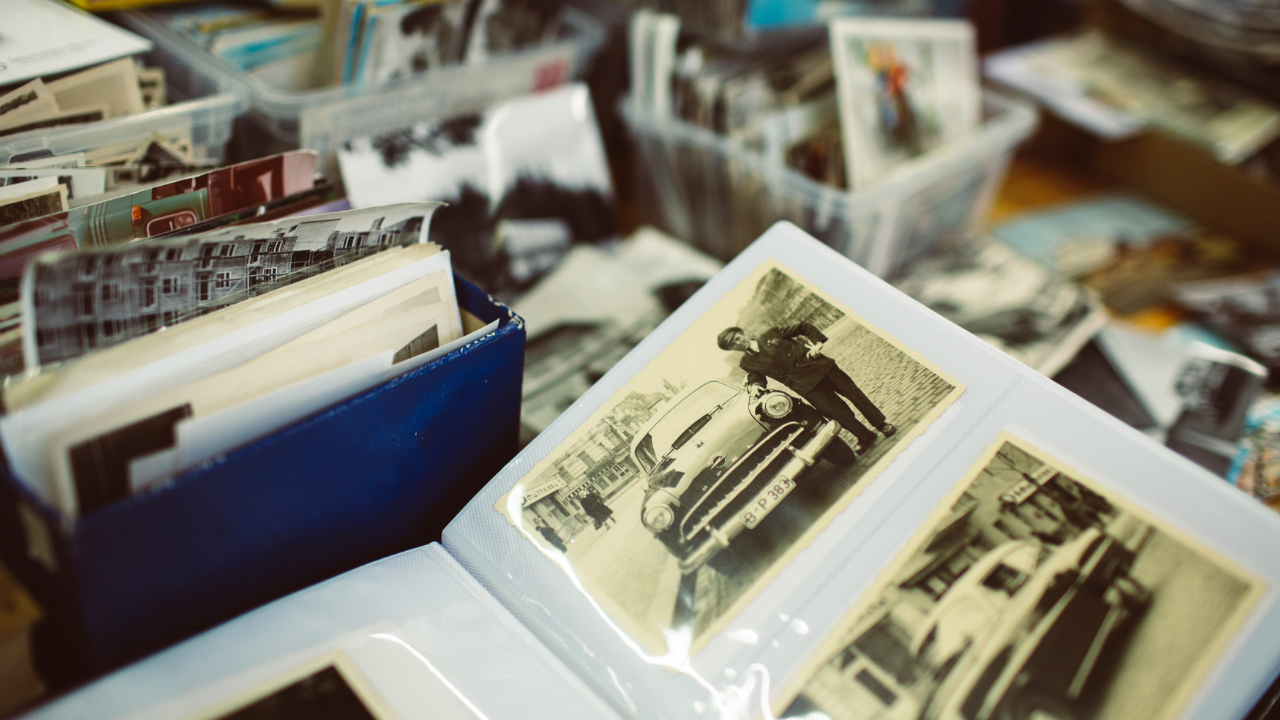
As any year comes to an end, there are always many reflections - in the news, on social media, in commentaries, and within our own individual minds - on what the year has meant. On who may have impacted it the most.
Some of those reflections include those who have passed from this life and left legacies of note that have made an impact on the larger world, and often on us in our own lives.
Some of those who have passed are known to millions. Some are known to those who especially shared an interest in their particular work and pursuits. Some are known not to large communities, but are known more personally and quietly to their families and friends. But all have done remarkable things to enhance this life that we all live.
Here are merely five of the people who have gone from this life this year and who have left legacies that enhance the pathos, pain, joy and triumph of our common human condition. They are symbolic of the wealth of knowledge they produced and shared:
Diane Keaton, the Oscar-winning actor, who was one-of-a-kind, charming, funny, and incredibly engaging. Her deepest desire, she wrote, was to give her children what her mother had given her, the freedom to become themselves. She was very uniquely herself. The legacy she has left is one of genuine and heartwarming authenticity in the life she lived and the artistic work she offered to the world.
Jane Goodall, world-renowned primatologist and anthropologist, whose only educational degree, when she accomplished her first great work studying wild chimps in Tanzania, was a certificate from secretarial school. Her novel approach, created from scientific inexperience, penetrated the mysterious world of humanity’s closest nonhuman relatives and left an extraordinary legacy of discovery and insights into the chimps' lives and ours.
Anna Ornstein, who survived Auschwitz, at age 17, while her father and grandmother did not. Her two brothers were forced into labor for the Axis armies and never returned. Later, as a psychoanalyst, she published academic writing that focused on a common psychoanalytic perspective that she felt scholars before her failed to see or learn from - the very personal - and commonly- shared experiences of Holocaust survivors.
Her legacy is to remind us that we must always seek to learn more and to never forget.
Robert Jay Lifton, whose work delved into some of the worst atrocities of the modern era. But his work also affirmed the continuity of life amidst the trauma and pain, exploring how victims transformed themselves into survivors. He believed that sharing stories of enduring extreme grief and pain could light the way for future generations to overcome the darkness they endured. His legacy is to enable us to find hope and light in the most difficult and trying of circumstances.
Max Frankel, an accomplished journalist, who believed in the U.S. constitution's First Amendment in a way that was deep and emotional. But also, alongside his principles, he just couldn’t resist a good human story, especially obituaries. He is responsible for the New York Times first publishing an end-of-year issue on notable deaths, from where we are citing his story, and the others mentioned above, today. His legacy is to celebrate the lives and stories that can inform us, inspire us, and reshape us to be our own best selves.
We have our own stories to share. Maybe these stories are not about those who are very famous. But their work, values, and hearts are creating a legacy, too. A legacy of listening with intention and compassion, and reminding others of their inherent and sacred worth.
For example, just since September this year we have had conversations on the Someone To Tell It To Podcast featuring eight different people with eight different sets of gifts and perspectives that are enhancing the world and the lives around them. They are creating rich and meaningful legacies of their own:
Kait Gillis-Hanna, whose four-year-old daughter Nour lives with Down Syndrome. After Nour’s birth, Kait established a Pennsylvania coffee shop that enthusiastically welcomes customers and hires those who are living with special needs and neurodiversity. Her story reminds us that when we make space for everyone’s gifts, we enrich not only our workplaces, but our communities as well.
Nicole Deary, who grew up in a military family and moved into many new communities growing up. She builds on her journey of working to fit in and forming authentic relationships, taking the lessons she’s learned along the way, to mentor others to understand how authentic relationships are at the heart of effective leadership and satisfying relationships.
Rev. Kristopher Sledge who reflects on a life-changing injury from a terrorist attack that shaped his passion for connection and compassion, even, and especially, among those who are very different from us. His work always starts with seeing others as human beings first above anything else.
Joshua Lazerson, who began to understand the power of listening in his teens. At age 25 he made a personal commitment to prioritize listening in his life. Today, he fulfills that commitment, with The Listening Project, by holding space by offering to listen to anyone who will join him around San Diego County, California.
Ingrid Nordli, who as professor of linguistics, in Norway, teaches about the music of language and how, with its distinct rhythms, melodies, and harmonies, we can learn to respect the perspectives, the beautiful innocence, and the dignity of children - and the dignity of persons of every age, for that matter.
Alex Ross-Reed, who as an artist, knows that art saves lives, and wants to show the world how. As a member of the LGBTQIA+ community, they use the beauty and creativity of art to help heal, inspire, and reassure young people, in particular, that their unique place in this life is of value, is worthy of support, and worthy of care.
Barbara Bray, who as a child was told by a teacher that she wasn't very smart. It caused her to question her worth and purpose in this life. She works with others who have questioned their purpose or wondered whether their story matters, and reminds them that their voice—and their “why”—are absolutely worth sharing.
Christopher Kelly, who lives with neurodiversity. He sees his neurodiversity as a gift that he can offer to the world. He focuses on his and others’ abilities rather than their disabilities, prioritizes inclusion over exclusion, and validates others’ feelings and circumstances, especially with their health challenges. He supports and works to help them live their very best lives. He is an inherently talented composer and pianist, too
All of these people we mention - those we have lost and remember and those who are with us and who live with intention - were given the freedom to be themselves.
Who they were gifted to be.
Who have you already become? Who are you still becoming? And what will your legacy be?
Photo by Markus Spiske on Unsplash
Stay connected with news and updates!
Join our mailing list to receive the latest news and updates from us.
Don't worry, your information will not be shared outside the organization
Authors