An Empathetic Life
Aug 26, 2026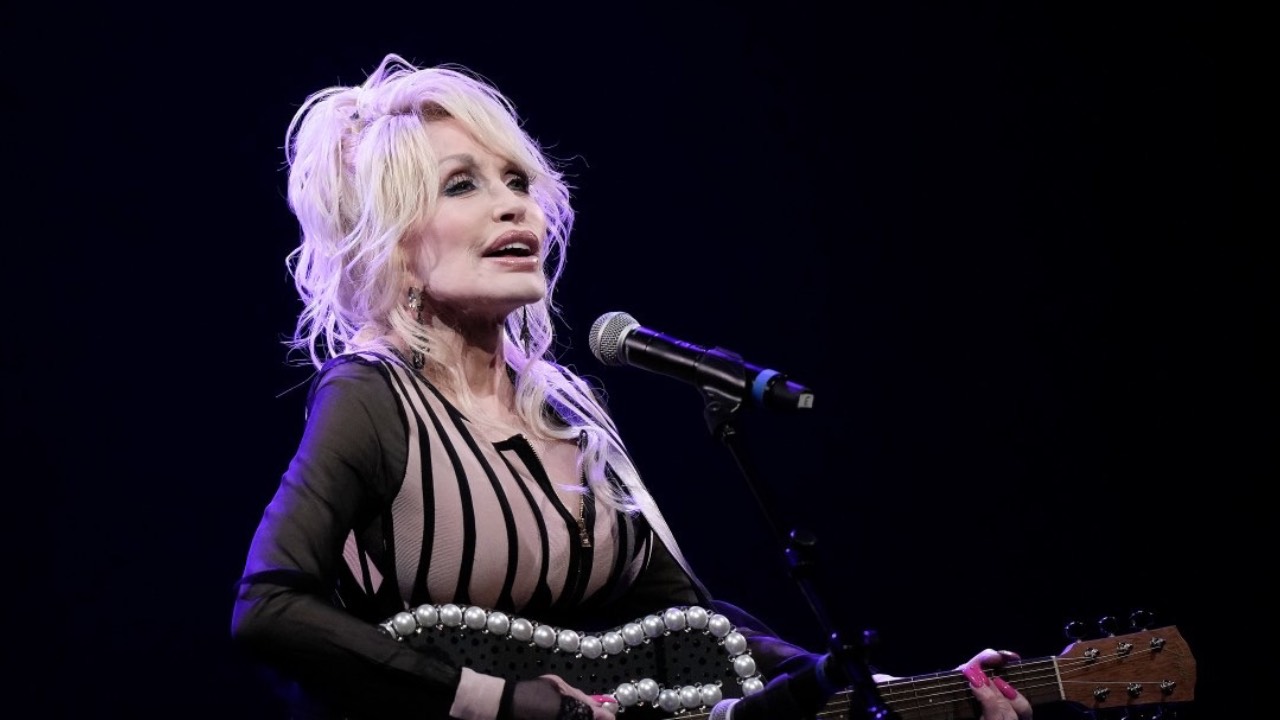
Her family was so poor that her father had to pay the doctor who attended her birth with a sack of cornmeal. She was the fourth-born of twelve children, in 1946. She grew up without plumbing, heat, electricity and other modern conveniences, but she always insisted that she also grew up happy, and that music offered her a refuge from want.
Her work ethic was unflagging. Her creative genius was unparalleled. For it, she was nominated for more than 50 Grammy Awards, winning 10 of them, received a lifetime achievement by the Recording Academy, was inducted into the Country Music Hall of Fame, the Songwriters Hall of Fame, and the Rock and Roll Hall of Fame, and was awarded the National Medal of Arts. She was also one of the very few artists who were nominated for all four major U.S. entertainment awards, for songwriting - two Oscars, four Emmys, and a Tony, in addition to her Grammy nominations.
Her songwriting and her singing, embodied profound empathy for the human condition. Her impoverished childhood in the eastern hill country of Tennessee, imbued within her a sensitivity to those who lived in poverty, who had trouble reading, who were bullied and made fun of, who had their hearts broken, who were discriminated against, who suffered deep losses, who were taken advantage of, who were underestimated, who were excluded, and who were betrayed.
From her own experiences and from listening to the stories of those whose lives were hard and economically-deprived like hers had been, she crafted songs validating that their hardships had hurt.
She wrote and sang about teen pregnancy and how patriarchy blames and victimizes young women. She advocated for equality within the home and in the workplace. She denounced female stereotypes. She had an unstinting generosity of spirit — her commitment, born of deep religious convictions and an immense heart, was to see the humanity in all people.
She said that, “Songwriting is my way of channeling my feelings and my thoughts. Not just mine, but the things I see, the people I care about. My head would explode if I didn’t get some of that stuff out. Not everything I write is good, but it’s all good for me — like therapy.”
She wrote unashamedly about growing up as the daughter of an illiterate sharecropper:
“I’ve seen Daddy’s hands break open and bleed / And I’ve seen him work ’til he’s stiff as a board.” “I’ve seen Mama layin’ in sufferin’ and sickness / In need of a doctor we couldn’t afford. / Anything at all was more than we had / In the good old days when times were bad.”
In “Coat of Many Colors,” maybe her most personal and most personal song, she recalled childhood feelings of pride and humiliation. In this case, the coat in question — quilted from rags and originally a source of delight and the expression of a mother’s love — becomes an object of ridicule when Dolly’s classmates poke fun at her for wearing it to school.
So with patches on my britches
And holes in both my shoes,
In my coat of many colors
I hurried off to school
Just to find the others laughing
And making fun of me
In my coat of many colors
My Mama made for me
“That little song is like a world of things,” she recalled in 2020. “It teaches about bullying, about love, about acceptance, about good parents. That little story has even been written into a schoolbook to teach children about being different.”
Her songs spoke to millions, confronting poverty and loss even as they radiated possibility and hope.
The songs she wrote numbered about 3,000. Hundreds of them were recorded by other artists, including Tina Turner, Norah Jones, the White Stripes, Merle Haggard, RuPaul, and Whitney Houston. She blazed trails and crossed musical genres. She was a generous mentor, colleague, and friend to such a diverse and eclectic number of people.
Beyond the ways she touched others’ hearts and spirits through her words and music, she was also a prolific philanthropist. Her Imagination Library, established in 1995, has distributed more than 300 million books to young children, so that they could develop an early love and capacity for reading. She also donated millions of dollars to environmental causes, natural disaster recovery efforts, education, hospitals, covid vaccine research, and economic and redevelopment projects for impoverished communities. Much of her giving was not publicized. She’s done so much more than we have mentioned here.
She did not do it for the recognition.
Dolly Rebecca Parton was a U.S. icon, deeply beloved by people of all kinds. She transcended political and religious ideologies, nationalities, expectations, and stereotypes. She radiated goodness, genuineness, empathy, generosity, kindness, inclusion, caring, and love.
She connected with people very personally and warmly. She listened to and observed, supported and lifted up those who needed hope and reassurance. She told universal stories through her lyrics and singing. She touched hearts, minds, and lives with an understanding of what it meant to experience poverty, heartache, and pain. Her values reflect so much of what we with Someone To Tell It To believe and do our very best to reflect, as well. Her lifelong daily striving to convey the everyday and common longings, feelings, dreams, fears, and challenges of human life - no matter who we are, where we are, or what we are - perfectly reflects what we teach, write about, and model, too. We don’t quite have the style, platforms,and larger-than-life personas like Dolly Parton had. But her examples of service, inspiration, and connection with others are gifts to us as we try to make this world and human relationships better, one day, one connection, at a time.
Stay connected with news and updates!
Join our mailing list to receive the latest news and updates from us.
Don't worry, your information will not be shared outside the organization
Authors