Immersion
Mar 11, 2026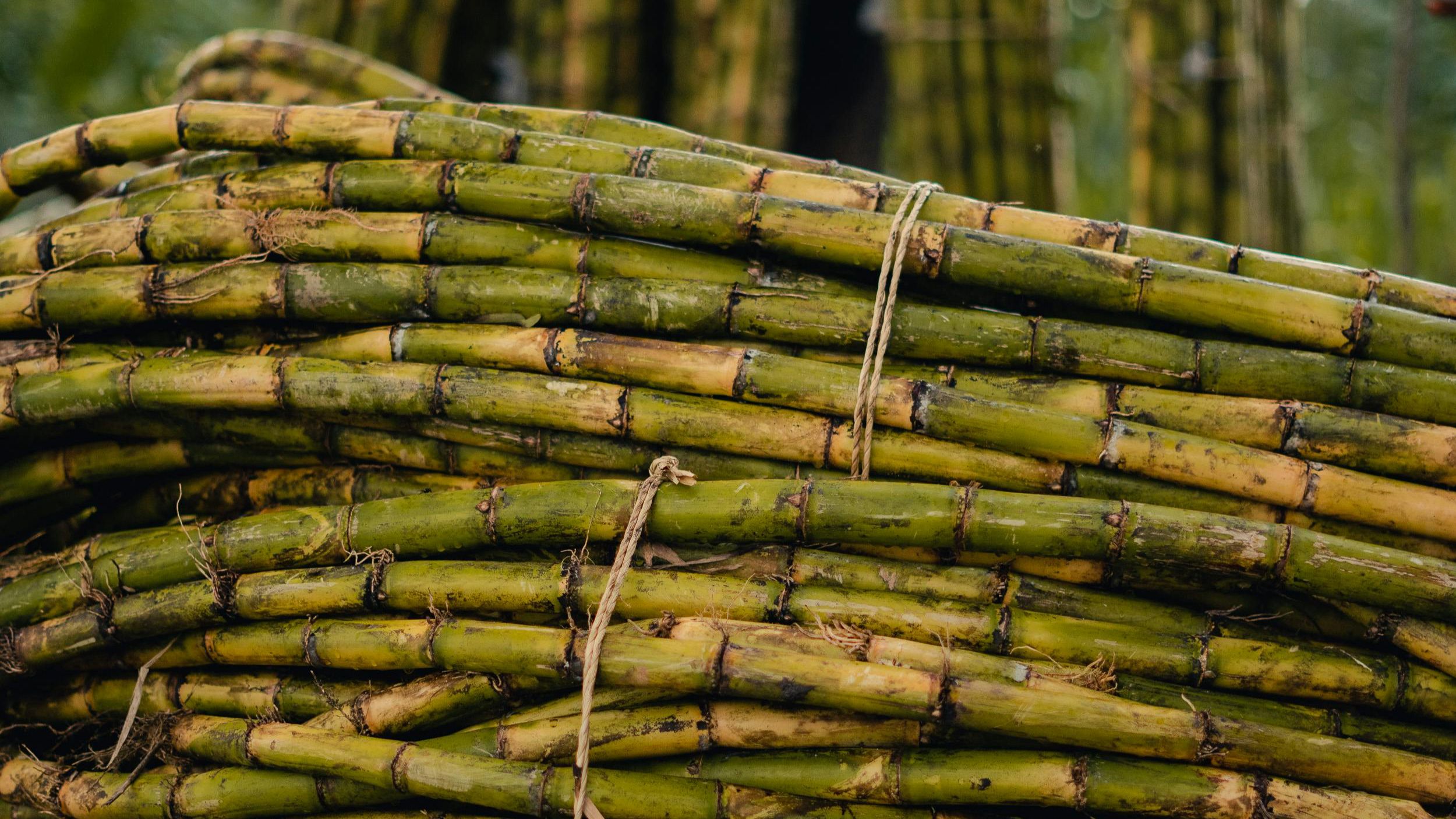
Landing in Havana was a culture shock. Alongside the runway was an abandoned, burned out Aeroflot airplane, one from the Soviet Union’s national airline. Getting off the very old plane we flew on into Cuba from Miami, we were hit with a furnace blast of hot, humid air. Greeted by guards armed with automatic machine guns was intimidating to say the least. The immigration agents wanted to know why we were there, which was understandable, and asked if we had pornography with us, which was an interesting question. Why was that important to them?
We were transported in a van, eight of us in our group, to a church in the center of Havana. Told that we were going to be leaving in less than an hour to go to the sugar cane fields where we would be planting a new crop of sugar cane, we were only able to take the bare necessities along with us. The rest of our luggage and clothing would remain at the church until we returned to Havana a week later.
When we got to the camp, it was somewhat overwhelming. There were several hundred Cuban citizens, along with dozens of Nicaraguan visitors, there to greet us. We’d be working together with them for the week. We were all there as part of a cultural program designed to forge greater understanding and cooperation of people from disparate countries, ideologies, and circumstances.
We were shown the communal barracks segregated by gender, crowded with metal bunk beds, where we’d be sleeping. There was certainly no air conditioning there. The toilets were communal with no doors on the stalls. The “toilets” were simply holes in the concrete floor. My gut reaction initially was to question the wisdom of traveling there. This was not going to be easy, it immediately became clear. There was no privacy, no hot or even warm water, no comforts that we were used to back home. The conditions were sparse and primitive, the food was mostly rice and beans at every meal, with some canned meat of an indeterminate kind, shipped from the Soviet Union. We were given a spoon and a tin cup to keep for the week. It felt, at first, as if I was in a prison camp. It was a stark and initially desolate place.
Early, at dawn, the next morning. I was assigned to a group of about 10 Cubans and Nicaraguans, and one other member of our U.S. group, of eight, for the sugar cane planting each day. We were out in the fields early, while it was still cooler, but that was a relative term. We were to walk behind a rickety cart filled with hundreds of cane stalks, pulled by oxen, that we’d drop in the furrowed ground for hours and hours each day. It was grueling work, tedious, and very sweaty. The first day was the hardest. It felt so long and uncomfortable because of the heat and the language barrier.
I was in graduate school, required to take a three-week immersion trip into another culture. This trip came up, surprisingly, and I jumped at the opportunity. First, my wife Kathy and I were expecting our first son, and I knew that it would be much more difficult to take a trip like this after he arrived. So, I wanted to get this requirement completed before he was born. Secondly, this special opportunity to go to a country that was officially closed to U.S. citizens was intriguing to me. There were exceptions to U.S. travel restrictions to Cuba, and because the trip was for humanitarian reasons, we got permission from the U.S State Department to go. We’d be integrated in Cuban culture through the three weeks - planting sugar cane, visiting important sights and being guests at a conference bringing people of differing political, religious, and economic environments together for dialogues to break down barriers and misconceptions, and during the rest of the trip we lived with families to experience what everyday life was like for them.
While the first couple of days were a shock to the system, I resolved quickly that if I was going to benefit from this uncommonly unique experience, there were some things I needed to do. With that resolve, it didn’t take me long to fall in love with the people I was working and living alongside there, and to appreciate them as human beings just like I am, and not enemies who were out to harm and vilify us.
So, I made up my mind to find enjoyment in the more primitive conditions and in the opportunity to be there. After all, how many U. S. citizens since the 1950’s have ever gotten to visit Cuba, a beautiful country with gracious, kind, passionate people eager to learn about who we are?
The next thing I did was to resolve to learn some rudimentary Spanish to show that I was willing to make the effort to learn how to communicate more directly to them. So, especially as we worked planting sugar cane, I, a non-Spanish-speaker (I had studied German in high school and college and Greek in graduate school), decided if I wanted to communicate better with non-english speakers, I needed to learn as much useful Spanish as I possibly could. Every day, walking behind the wagon loaded with sugar cane stalks, I tried to show my new friends that I wanted to know more about their language and lives. So I’d point to my clothes and asked what were the Spanish words for them - pantalones (pants), camisa (shirt), sombrero (hat), or to the oxen (bueyes), the wagon (vagón), or how to say sugar (azúcar), or hot (caliente), or to a tree (árbol), and very importantly, the shower (ducha). I’d ask their names and repeat them as much as I could to make it more personal, to show them that I cared about who they were. I enjoyed the challenge. I enjoyed getting to know them. Each day became easier because I could connect a little more closely with them. And since many of them were also attending the conference in Havana that we would attend the next week, and those whom we stayed with the following week were also workers at the camp, relationships and affection for one another developed quickly and strongly in the experiences we were experiencing together. I hope it showed them that I was not an enemy, but simply a fellow human being.
Fred Rogers famously said many times, “It’s much easier to love someone once you know their story”. How true that is. In Cuba, I learned that most directly and humbly by opening myself up to the culture, language and people I was immersed in and with.
It made all the difference.
By the time we were going to leave the country, I felt sad to have to say goodbye. Even though I was excited to be home with my wife and the life we shared and all the comforts that I was doing without in Cuba, I genuinely loved my time there. The spirit of the people, the camaraderie, the respect, the kindness were wonderful.
I’ll forever hold the time I spent there in my heart, as one of the most valuable and sacred experiences of my life.
Stay connected with news and updates!
Join our mailing list to receive the latest news and updates from us.
Don't worry, your information will not be shared outside the organization
Authors